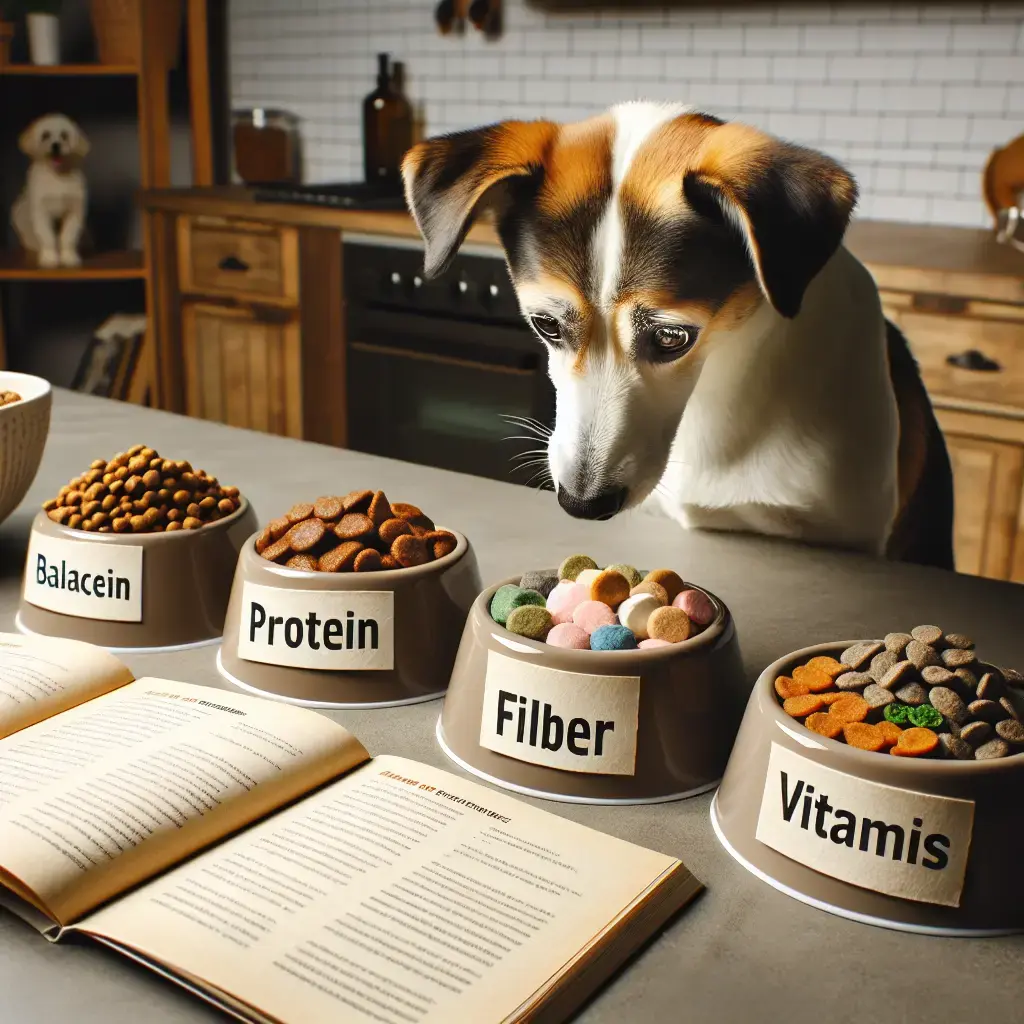
In the evolving world of pet nutrition, homemade pet food has become a fascinating and rewarding approach to ensure our furry friends get the best dietary care.
In recent years, there's been a significant shift towards understanding and improving the diets of our beloved pets. Much like human diets that have evolved over time, pet nutrition is witnessing its own trends and fads. Pet owners are increasingly concerned about what goes into their pets’ food, leading to a rise in homemade pet food options.
Understanding Pet Nutrition Trends
As with any dietary consideration, it's crucial to approach pet nutrition with informed care. Here are some notable trends in dog nutrition:
Raw Food Diets: Advocates suggest that a raw food diet mimics what dogs might eat in the wild. This typically includes raw meat, bones, fruits, and vegetables. While it promises higher energy levels and improved digestion, it's essential to manage the risks associated with bacteria and nutrient imbalances.
Grain-Free Diets: Many believe that grain-free diets are better for dogs with allergies or sensitive stomachs. These diets replace grains with legumes or potatoes. However, it's vital to consult a veterinarian, as some studies link grain-free diets to heart conditions in dogs.
High-Protein Diets: High-protein diets focus on providing dogs with the protein they need for muscle development and energy. This diet can be beneficial for active dogs but might not be suitable for all breeds.
Homemade Meals: Tailoring meals at home allows control over ingredients and quality. Homemade meals can cater to specific dietary needs or preferences and offer peace of mind about what your pet is consuming.
Benefits of Homemade Pet Food
Making pet food at home offers several benefits:
- Ingredient Control: You know exactly what's going into your pet's food.
- Tailored Nutrition: Meals can be customized to meet your pet's specific health needs.
- Freshness: Homemade food is free from preservatives and artificial additives.
Essential Considerations
Before diving into making your pet’s meals, keep these considerations in mind:
- Consult a Veterinarian: Always discuss any major dietary changes with a vet to ensure that your pet's nutritional needs are being met.
- Balanced Diet: Ensure that homemade meals are balanced and complete. Dogs require specific nutrients that need to be included for optimal health.
- Food Safety: Practice good hygiene to prevent bacterial contamination when preparing and storing homemade meals.
In conclusion, while the allure of homemade pet food is strong due to the control it provides over your pet’s diet, it's crucial to remain informed and cautious. Whether you're exploring new diets or considering making your own pet food, ensure your decisions are backed by reliable information and professional advice.
For more insights into dog nutrition trends and what’s best for your furry friend, you can check out the original article here.
With love and paws, Richard Nelson