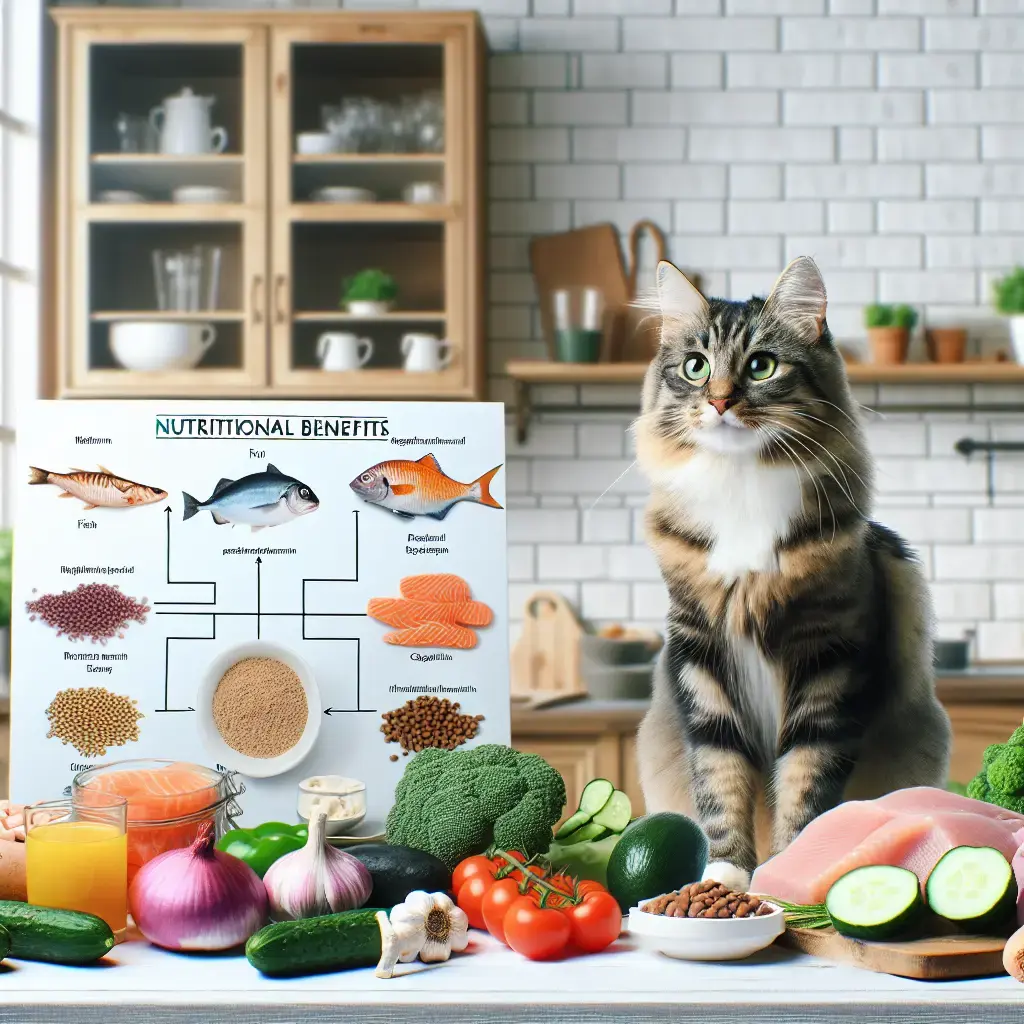
In recent years, the raw food diet for cats has gained significant attention among pet owners and feline nutrition enthusiasts alike. This interest stems from a growing awareness of the numerous benefits of raw food for cats, which are believed to mirror the natural dietary habits of their wild ancestors. A raw cat food diet is centered around unprocessed meats, organs, and bones, offering an alternative to traditional kibble and canned options. Advocates of raw feeding for cats highlight the nutritional advantages of raw cat food, emphasizing its role in promoting optimal feline health.
The raw food diet for cats has been gaining momentum, not only among pet owners but also in the broader context of pet nutrition. This surge of interest parallels intriguing developments in the packaged food and pet nutrition sectors. Major companies in the packaged food industry are pursuing significant mergers and acquisitions, underscoring a growing trend towards specialization and diversification in both human and animal nutrition markets. Let's delve into the nutritional advantages of feeding cats a raw food diet and examine recent insights and practical considerations.
Understanding the Basics of a Raw Food Diet
A raw food diet for cats typically includes uncooked meats, organs, and bones, reflecting the natural diet of their wild ancestors. This approach aims to provide species-appropriate nutrition that supports overall feline health. The benefits of raw food for cats are numerous, offering potential improvements in several key areas of cat health:
Improved Digestion: A primary benefit of a raw cat food diet is enhanced digestion. Unlike processed kibble or canned foods, raw meat diets are free from fillers and artificial additives that can upset a cat's digestive system. Natural enzymes in raw meats aid in breaking down food more efficiently, leading to smoother digestion and nutrient absorption.
Healthier Skin and Coat: A well-planned raw cat diet can result in noticeably healthier skin and shinier coats. This is largely due to the higher content of omega fatty acids present in raw meats, essential for maintaining skin elasticity and fur quality.
Increased Energy Levels: The raw diet for feline health has been associated with increased energy levels. Cats on a raw meat diet often display more vitality and alertness compared to those on traditional diets. This can be attributed to the absence of carbohydrates found in many commercial cat foods, which can lead to lethargy.
Current Trends and Developments in Pet Nutrition
In parallel with these nutritional benefits, the broader pet nutrition industry has witnessed shifts towards personalized diets, mirroring trends seen in human nutrition. For instance, companies are increasingly investing in specialized pet food brands to cater to discerning pet owners seeking premium options. This trend highlights the growing recognition of the importance of tailored diets in achieving optimal health outcomes for pets.
The Science Behind Raw Feeding
Scientific studies increasingly support the advantages of raw feeding for cats. Research has shown that cats thrive on diets closely resembling what they would consume in the wild. A study published in the Journal of Feline Medicine and Surgery found that cats on a raw food diet exhibited better weight management and fewer instances of obesity-related illnesses compared to those on processed diets.
Furthermore, raw cat diet health benefits include improved immune function. Raw foods are rich in antioxidants and other essential nutrients that support a robust immune system, helping cats fend off common diseases.
Practical Considerations for Cat Owners
Transitioning your cat to a raw food diet requires careful planning. Ensuring all nutritional needs are met is crucial for maintaining your pet's health. Here are some practical tips for implementing a successful feline raw diet nutrition plan:
Consultation with a Veterinarian: Before making any dietary changes, consult with a veterinarian knowledgeable about raw diets. They can help tailor a plan that meets your cat's specific health needs.
Balanced Nutrition: A successful raw meat diet for cats should include a balanced mix of muscle meats, organs, and bones. Supplements such as taurine, omega-3 fatty acids, and vitamins may be necessary to ensure comprehensive nutrition.
Safe Handling Practices: To prevent bacterial contamination, practice safe handling techniques when preparing raw foods. This includes proper storage and sanitation measures.
Gradual Transition: Introduce the new diet gradually to avoid digestive upsets. Start by mixing small amounts of raw food with your cat's current diet and gradually increase the proportion over time.
Monitor Health Changes: Keep track of your cat's health changes after transitioning to a raw diet. Look for improvements in coat condition, energy levels, and digestion as indicators of success.
Addressing Concerns and Misconceptions
While the benefits of feeding cats raw food are compelling, some concerns need addressing. Critics often cite the risk of bacterial infections like salmonella as a drawback. However, studies have shown that cats are less susceptible to these pathogens due to their short digestive tracts and acidic stomach environments. Responsible handling practices can further mitigate these risks.
Moreover, it's important to debunk the myth that all processed foods are devoid of nutritional value. Some commercial cat foods do provide balanced nutrition; however, they often lack the freshness and bioavailability found in raw options.
Conclusion: The Raw Food Advantage for Your Cat
In summary, the raw food diet for cats offers several compelling benefits that can enhance your feline friend's well-being:
- Enhanced Digestion: Raw diets promote smoother digestion and nutrient absorption due to the absence of fillers and artificial additives.
- Improved Skin and Coat Health: A diet rich in omega fatty acids from raw meats contributes to healthier skin and shinier coats.
- Boosted Energy Levels: The absence of carbohydrates found in commercial cat foods often leads to increased vitality and alertness in cats on a raw diet.
The growing trend towards personalized pet nutrition mirrors broader developments in both human and animal nutrition industries, highlighting the importance of tailored diets. Scientific research supports the advantages of raw feeding, with studies indicating improved weight management, immune function, and fewer obesity-related illnesses in cats on raw diets.
As you consider transitioning your cat to a raw food diet, remember to consult with a veterinarian, ensure balanced nutrition, and practice safe handling techniques. Gradual introduction and monitoring health changes are crucial for a successful transition.
While some concerns about bacterial infections exist, responsible handling practices can mitigate these risks. It's also important to recognize that not all processed foods lack nutritional value.
Making informed decisions based on scientific evidence and practical considerations is key. As you explore this diet option, reflect on the potential benefits for your cat's health and well-being.
We invite you to share your experiences and insights on raw feeding. Have you tried it with your cat? What changes did you notice? Join the conversation and help others make informed decisions for their furry companions.
Wishing you and your feline friend a journey toward optimal health!
Author: Richard Nelson