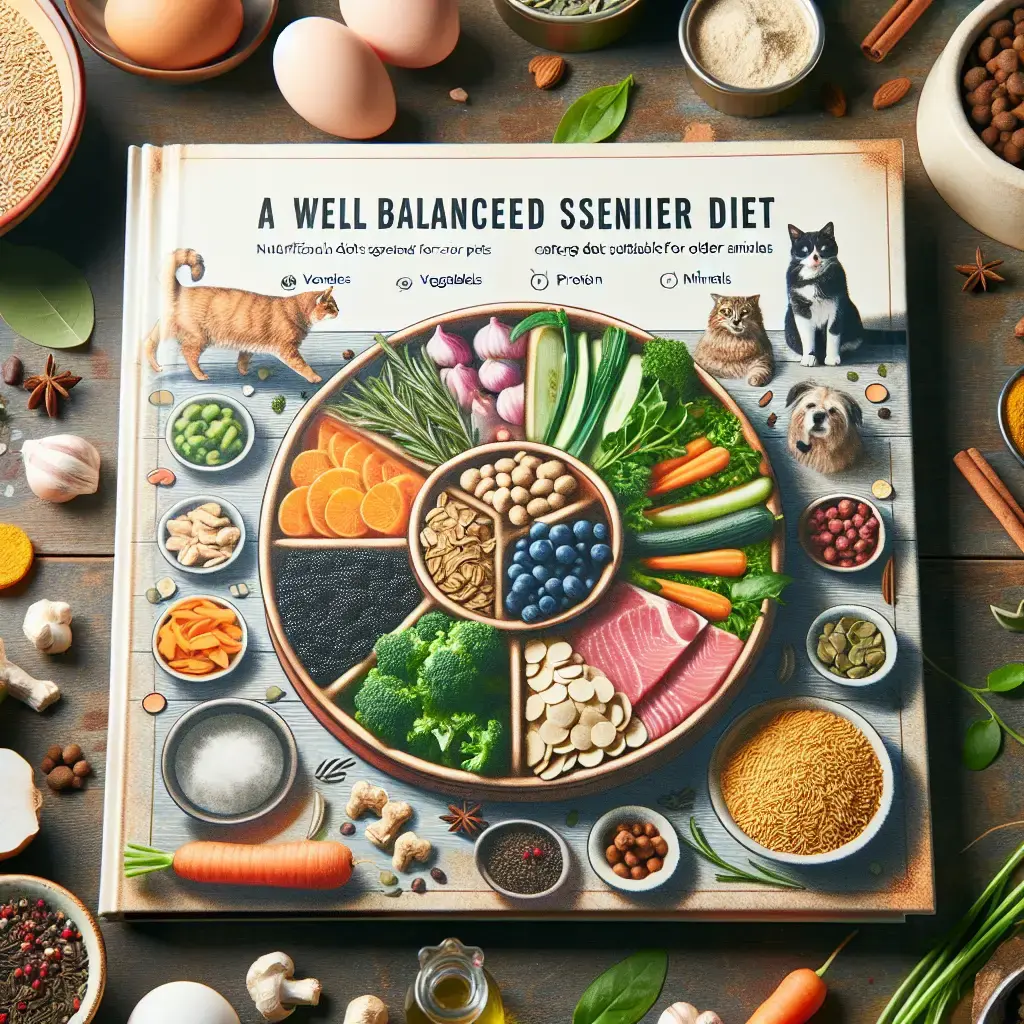
Crafting Balanced Diet Recipes for Senior Pets
As our beloved pets age gracefully, it's essential to ensure that their dietary needs are met with a balanced and nutritious plan. Senior pets, much like their human counterparts, require a carefully curated diet to support their changing health requirements and maintain vitality. This guide to balanced diet recipes for senior pets is designed to help pet owners navigate the complex landscape of senior pet nutrition. From crafting healthy meals for older pets to developing comprehensive senior pet diet plans, this resource aims to provide nutritious recipes for aging pets that cater to their unique dietary needs.
Understanding Senior Pet Nutrition Trends
In recent years, there has been a significant shift in how pet owners approach senior pet nutrition. With the rise of dietary fads and trends in human nutrition, it's no surprise that similar trends have made their way into the world of pet food. Let's explore some popular trends:
Grain-Free Diets: These diets have gained popularity due to concerns about food allergies and digestive issues in dogs. However, recent studies suggest that these diets may be linked to heart problems in some breeds (FDA Investigation into Potential Link between Certain Diets and Canine Heart Disease). Pet owners should consult with their veterinarians before making significant dietary changes.
Raw Food Diets: Aiming to mimic what dogs might eat in the wild, raw food diets are believed by some to promote better digestion and healthier skin and coats. However, they can pose risks, such as bacterial contamination and nutritional imbalances (American Veterinary Medical Association on Raw Diets).
Limited Ingredient Diets: Designed to minimize food allergens by using fewer components, these diets can be particularly beneficial for senior pets with sensitivities.
High-Protein Diets: Often recommended for active dogs, but senior pets may require a more balanced approach to prevent kidney strain (PetMD on Senior Dog Nutrition).
Developing Nutritious Recipes for Aging Pets
The Essentials of a Balanced Diet for Senior Pets
A balanced diet for senior pets should include the right mix of proteins, fats, and carbohydrates, along with essential vitamins and minerals. These components support overall health, joint function, and cognitive abilities in aging pets.
Proteins
High-quality protein sources are vital for maintaining muscle mass in senior pets. Consider lean meats like chicken, turkey, and fish, which are not only nutritious but also easy to digest. For example, a senior dog diet recipe might include boiled chicken breast mixed with brown rice and steamed vegetables like carrots and peas.
Fats
Healthy fats are crucial for energy and coat health. Omega-3 fatty acids found in fish oil or flaxseed can support joint health and reduce inflammation (AKC on Omega Fatty Acids).
Carbohydrates
While some modern dog diets advocate for low-carb options, moderate carbohydrate intake can provide energy and fiber for senior pets. Brown rice, sweet potatoes, and quinoa are excellent choices.
Homemade Senior Pet Food: A Growing Trend
Homemade food for older pets allows owners to control the quality of ingredients and avoid artificial additives and preservatives. By preparing meals at home, you ensure the use of the best foods for senior pets tailored to their specific needs. One popular recipe involves combining lean ground turkey with quinoa and a mix of spinach and carrots. This meal provides protein, fiber, and essential vitamins, making it a perfect option for a balanced meal for elderly pets.
Senior Pet Meal Prep Made Easy
Meal prepping for senior pets doesn't have to be overwhelming. Begin by setting aside a dedicated day each week to prepare meals in bulk. Use airtight containers to store portions in the refrigerator or freezer for easy access. Here are some tips:
- Plan Ahead: Create a weekly menu that rotates different protein sources.
- Batch Cooking: Cook grains and proteins in large quantities.
- Portion Control: Measure servings based on your pet's weight and activity level.
- Supplement Wisely: Add supplements like glucosamine or chondroitin as recommended by your vet.
Aging Pet Nutrition Tips: Supporting Senior Pet Health
Joint Health Support
As pets age, joint health becomes a primary concern. Incorporating natural supplements such as glucosamine and chondroitin can aid in maintaining joint flexibility and reducing discomfort (Cummings Veterinary Medical Center on Joint Supplements).
Cognitive Function Enhancement
To support cognitive health in senior pets, consider adding antioxidants like vitamin E and C into their diet. These nutrients help combat oxidative stress and promote brain health.
Best Foods for Senior Pets: Tailoring Diets to Individual Needs
Every senior pet is unique, necessitating a personalized approach to nutrition. Consult with a veterinarian to determine specific dietary needs based on your pet's age, breed, weight, and health conditions.
Example Case Study:
Meet Max, a 12-year-old Labrador retriever suffering from arthritis and mild cognitive dysfunction. After consulting with his vet, Max's owner switched him to a diet rich in omega-3 fatty acids from fish oil and incorporated antioxidant-rich foods like blueberries into his meals. Within months, Max exhibited improved mobility and increased alertness.
Conclusion
Ensuring a balanced diet for senior pets is crucial for maintaining their health and vitality in their later years. As we've explored, crafting nutritious meals tailored to the unique needs of aging pets can make a significant difference in their quality of life. Here are the key takeaways:
Senior Pet Nutrition Trends: Understand the benefits and drawbacks of popular diets like grain-free, raw, limited ingredient, and high-protein diets. Always consult with your veterinarian before making significant dietary changes.
Essential Nutrients: Provide a balanced mix of proteins, fats, and carbohydrates. Lean meats like chicken and turkey are excellent protein sources; omega-3 fatty acids support joint health; moderate carbohydrates provide energy.
Homemade Meals: Preparing homemade meals allows control over ingredients, avoiding artificial additives. Consider recipes that include lean meats, grains, and vegetables.
Meal Prep Tips: Plan meals ahead; batch cook ingredients; control portions based on pet size and activity level; add supplements as recommended by your vet.
Health Support: Incorporate supplements like glucosamine for joint health and antioxidants for cognitive support.
Every senior pet is unique, so it’s important to tailor their diet to their specific needs in consultation with a veterinarian. By doing so, you can help your furry friends maintain their health and happiness as they age gracefully.
Reflect on how these strategies could improve your pet's well-being and consider trying some of the recipes or tips mentioned. We’d love to hear about your experiences or any insights you have on senior pet nutrition. Feel free to share your stories or ask questions in the comments section.
Thank you for joining us on this journey to enrich the lives of our senior pets through balanced, nutritious meals. Together, we can ensure our cherished companions enjoy their golden years to the fullest.
Author: Richard Nelson